
Sometimes I reflect on my own life and theological journey and I can’t help but wonder: “What if I’m wrong?” I wrote previously about putting “skin in the game,” so to speak, but that can only happen if people are willing to consider possible error in their beliefs. Many people on all places in the faith & human sexuality spectrum intentionally dodge this possibility, despite its relevance and importance to a sound theological framework. The depth of humility, courage, and trust needed to undergo this kind of journey is one that only God can support, because poking and prodding at the bedrock of one’s faith can cause the existing framework to break down completely. For now, I’m exploring the what ifs of a conservative viewpoint on faith & human sexuality, though I do also have future plans to discuss the same topic from a more progressive perspective as well.
Growing up, conservative American Christianity presented the idea to child and teenage me that questions and doubt are unfortunate byproducts of the fallen, human condition, merely phases that people quickly pass through on their way to unwavering faith in Christ (which in reality meant “towing the conservative party line” by agreeing with a very specific set of theological beliefs). The unintended consequence of this thought process was that it encouraged rationalizing away honest, valid theological concerns in favor of constructing air-tight arguments for or against whatever “issue” was being discussed, devoid of any real-world experience or practical information. I lived in a theological ivory tower, and without meaning to, I looked down upon all those who were not privileged to have the “truth” like I did.
One of the hallmarks of this mindset (which is still quite popular in America) is advocating for strict certainty of belief. The measure of one’s faith is the strength (and sometimes the frequency) of vocal reinforcement for specific theological viewpoints. While I do not doubt the Holy Spirit is at work in all believers, I can’t help but wonder how often its voice is silenced or dismissed because it challenges the status quo. I now am inspired by the many passages in the New Testament where the leaders of the early Christian faith struggle to balance Jesus’s Spirit-filled words and teachings with the existing laws and traditions of Judaism. Interestingly enough, rabbinic tradition in Judaism still deeply values and encourages questioning and investigation regarding the application of Scripture, but this has largely been lost by conservative American Christianity.
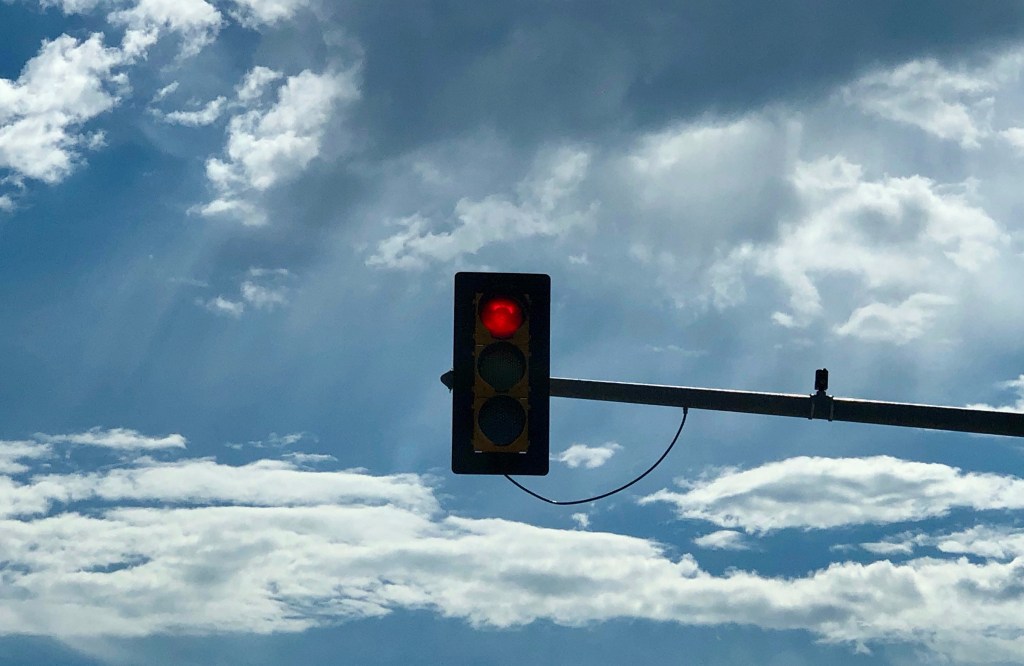
For so long, conservative American Christianity has directed most of its energy to maintaining a theological red light for LGBTQIA+ persons that they’ve lost the ability to connect with them. In fact, many conservative Christians have become so uncomfortable with LGBTQIA+ persons that they have become uncomfortable talking about human sexuality in general. While many conservative American Christians are able to have endless dialogue about the nature of the Trinity, the problem of evil in the world, etc., very few are able to have educated discourse about faith & human sexuality and even fewer are willing to have educated discourse about it.
Recently I heard a well-intentioned Christian at my church explain how he feels compelled to call out (what he perceives as) sin in others because the Bible tells him to do so. He draws a very firm line in the sand regarding faith & human sexuality, and was upset that there could even be sadness for mistreatment of LGBTQIA+ persons. Most likely this hard-line approach is based upon Matthew 18:15, but that passage refers to sinning specifically against a fellow believer and not categorical assumption of sin for an entire group of people. There are several other important Scripture passages that do refer to helping a fellow believer turn away from sinning, but none of them involve casting judgment. It’s as if many conservative American Christians are stuck in the name-calling and tattle-tale phase of childhood, pointing fingers at those around them who they don’t like.
Rejoice always, pray constantly, give thanks in all circumstances; for this is the will of God in Christ Jesus for you.
Do not quench the Spirit, do not despise prophesying, but test everything; hold fast what is good, abstain from every form of evil.
May the God of peace himself sanctify you wholly; and may your spirit and soul and body be kept sound and blameless at the coming of our Lord Jesus Christ. He who calls you is faithful, and he will do it.
1 Thessalonians 5:16-24, Revised Standard Version
The hope I see in 1 Thessalonians is the blunt reminder not to stifle the work of the Holy Spirit or look down upon those who share a new vision of God’s working in the world. The passage rightly challenges us to test rather than to reject outright in favor of upholding existing tradition, and it also prompts evaluation of the impact our beliefs and actions have on those around us.
Contrary to what is expected, I actually do covet prayers from conservative, heterosexual Christians. But the kind of prayer I desire is much different from what is actually being prayed. Couldn’t we all pray for the Holy Spirit to be at work in believers, even those who are LGBTQIA+? And will we trust the Holy Spirit to convict, rather than convicting others ourselves? Or, will we continue to use prayer as a weapon of distance and judgment: “Dear God, please help them see how wrong they are.”
So, what if conservative American Christians are wrong in their assessment of LGBTQIA+ persons?
They will be held directly accountable by God for pushing others away from Him. The false distinction between attraction and action (“love the sinner, hate the sin”) is a predominant belief among conservative American Christians. However, the Bible states that what exists in the heart is just as culpable as what is acted out. The double standard by which the church encourages heterosexual teenagers to discover, explore, celebrate, and focus their innate attractions toward marriage but then interrogates and reprimands LGBTQIA+ teens for the exact same thing teaches LGBTQIA+ Christians that their very existence and nature is an affront to God. When you are shown by the actions of others that it is impossible for God to love you unless you change a core part of yourself (that no one else has to change), you cease to follow God and instead become obsessed with finding ways to change what very well may be immutable in order to please the people around you. When the words and actions of conservative believers are mired in this kind of hypocrisy, something is wrong. When conservative believers lay extra, unique conditions onto LGBTQIA+ Christians that obfuscate the heart of Jesus, something is wrong.
They have sinned by being selective about helping marginalized LGBTQIA+ persons. The unintentional, dripping irony of this statement is that the very sin of Sodom, as recorded in Ezekiel 16:49, is that its people had extensive earthly resources as well as social/religious privilege but yet did not care for those around them who needed the most help and support. When conservative believers withhold spiritual community as punishment for LGBTQIA+ Christians who are honest about their orientation or actions, something is wrong. When conservative believers develop provisionary relationships with LGBTQIA+ Christians that are contingent on continued “Christian” counseling to change sexual orientation, something is wrong. When conservative believers distantly lament LGBTQIA+ persons who experience substance abuse issues, homelessness, or discrimination while simultaneously issuing warnings about the supposedly unavoidable consequences of “the lifestyle,” something is wrong.
Dear God, please help us all to seek wisdom and discernment regarding the implications and consequences of both our actions and our beliefs.
 On the Wings of the Dawn